What comes to mind when you think about the process of converting a stranger into a loyal customer? That complex journey is often influenced significantly by lead scoring. If you’ve ever wondered what lead scoring means and how it can be helpful to you, this article is for you.
Understanding Lead Scoring
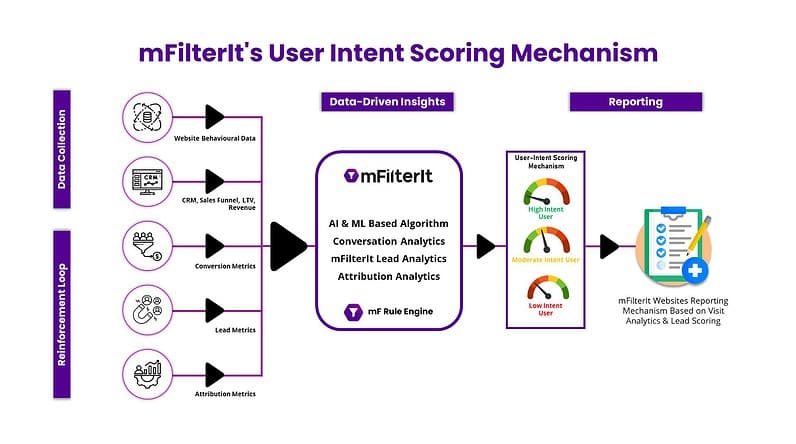
Lead scoring is a method used to rank prospects against a scale that represents the perceived value each lead has to your business. The concept may sound straightforward, but its implementation can be quite intricate. Essentially, it’s a way to prioritize leads based on their likelihood to become paying customers.
You might find yourself asking: Why is this important? In a world where time and resources are often limited, focusing your energy on leads that exhibit higher intent can facilitate a smoother, more efficient sales process.
The Basics of Lead Scoring
In simplest terms, lead scoring quantifies how “sales-ready” a lead is. You assign values to various attributes and behaviors related to your potential customers. These could range from demographic information to the specific actions they’ve taken on your website. Each factor contributes to a cumulative score that helps your sales and marketing teams determine which leads warrant the most attention.
It’s crucial to know that lead scoring can be both an art and a science. While there are some common practices, the particular scoring model you adopt should cater to your business’s unique goals and customer profile.
Types of Lead Scoring
While the general framework of lead scoring remains relatively constant, there are several variations to consider. Here are some popular methods:
1. Demographic Scoring
One common approach is demographic scoring, which evaluates leads based on specific demographic factors. This could include the industry they belong to, their job title, and geographic location. By understanding the personas that are most likely to convert, you can tailor your outreach accordingly.
2. Behavioral Scoring
Alternatively, behavioral scoring focuses on the actions a lead takes, such as visiting your website, engaging with your content, or interacting with your social media. This method helps identify leads that are actively interested in your products or services.
3. Predictive Lead Scoring
In the ever-evolving world of sales and marketing, predictive lead scoring employs data analytics and algorithms to forecast a lead’s conversion likelihood based on historical data. By leveraging sophisticated models, you can identify the traits of high-quality leads from your previous customers and apply that knowledge to future leads.

This image is property of images.unsplash.com.
The Benefits of Lead Scoring
Implementing a lead scoring system offers numerous advantages that can significantly boost your sales efforts. Here’s a closer look at some of the primary benefits:
1. Improved Focus
Having a lead scoring system in place allows your sales team to prioritize their efforts. Rather than chasing down every lead, they can focus on those that show higher potential.
2. Enhanced Marketing Strategies
With an understanding of what attributes lead to successful conversions, your marketing team can refine their strategies. This could mean creating content that caters specifically to the interests of your highest-scored leads.
3. Increased Conversion Rates
When sales and marketing teams align their efforts toward targeted leads, your chances of conversion naturally increase. By concentrating resources on promising prospects, you can generate higher returns on your investments.
Elements of an Effective Lead Scoring System
To create a lead scoring system that truly works for you, there are several key elements to consider. Here’s a breakdown:
1. Establish Criteria
The first step involves determining the criteria that matter the most for your business. This will typically include a mix of demographic and behavioral factors.
2. Assign Scores
Next, it’s important to assign values to each criterion based on their significance. For instance, if a lead downloads an eBook—the most valuable content you offer—this could warrant a higher score compared to merely opening an email.
3. Regularly Update Your Model
Lead scoring isn’t a “set it and forget it” process. Periodically revisit your criteria and scores to ensure they align with your evolving business goals. Continuous improvement is key.

This image is property of images.unsplash.com.
Implementing Lead Scoring
Now that you understand the core concepts behind lead scoring, let’s dive into how to effectively implement this strategy within your organization.
1. Collaborate with Sales and Marketing
Start by creating a collaborative environment between your sales and marketing teams. Both should contribute insights regarding what makes a lead valuable. This ensures that everyone is on the same page and aligns strategies accordingly.
2. Use a CRM System
A Customer Relationship Management (CRM) system is an invaluable tool when it comes to lead scoring. Many CRMs offer built-in lead scoring functionalities that can simplify the process significantly.
3. Analyze and Adjust
Once your lead scoring system is in place, continuously analyze its impact. Are there certain scores correlating strongly with conversions? Adjust your criteria as necessary.
Common Mistakes to Avoid
Embarking on a lead scoring journey can be incredibly rewarding, but there are pitfalls to be aware of. Here are some common mistakes you should strive to avoid.
1. Ignoring the Importance of Data Quality
Your lead scoring system is only as good as the data you feed it. Prioritize data integrity to ensure that your scoring is accurate and meaningful. Inaccurate or outdated data can skew your results.
2. Overcomplicating the Model
It might be tempting to add numerous criteria to gauge each lead’s potential, but this can make scoring unnecessarily complex. Aim for a streamlined approach that focuses on the most critical factors.
3. Failing to Integrate with Other Tools
Lead scoring isn’t an isolated process. Ensure that your lead scoring system works in tandem with other tools you use, such as email marketing platforms and analytics software.

This image is property of images.unsplash.com.
How to Analyze Lead Scoring Effectiveness
Once your lead scoring is in place, evaluating its performance is critical for long-term success. Here’s how you can measure effectiveness:
1. Conversion Rate Tracking
Keep an eye on the conversion rates of your scored leads. Are those with higher scores actually converting at a higher rate? If not, it’s time to re-evaluate your scoring criteria.
2. Sales Feedback
Engage with your sales team to gather feedback on the leads they’re pursuing. Are there leads they felt should have scored higher or lower? This input can be invaluable for refining your model.
3. A/B Test Changes
Consider using A/B testing to measure any alterations you make to your scoring model. By comparing results from different scoring criteria, you can identify what works best for your specific business needs.
Real-World Examples of Lead Scoring
To better illustrate the principles of lead scoring, let’s look at a couple of real-world scenarios where lead scoring has made a significant impact.
Example 1: SaaS Company
Imagine a SaaS company that provides project management tools. They use a point system where leads earn points for various interactions, such as signing up for a free trial or attending a webinar. By monitoring these actions, the company identifies a segment of leads that frequently visit their pricing page, assigning them the highest scores. This focus leads to increased conversions and higher customer retention rates.
Example 2: E-Commerce Store
Consider an e-commerce store that sells handmade products. They score leads based on the frequency of website visits and the value of items added to shopping carts. Once leads reach a certain threshold, the marketing team sends targeted emails featuring discounts or product recommendations. This personal touch significantly boosts sales during peak seasons.
The Future of Lead Scoring
As technology continues to evolve, it holds the potential to change how lead scoring is conceptualized and implemented. Here are a few trends to watch for:
1. Increased Automation
With advancements in machine learning, you can expect to see an increase in automated lead scoring systems. These systems will use data patterns to continuously refine scoring without manual input.
2. Greater Personalization
The future of lead scoring will likely embrace personalization on a significant scale. As businesses gather more data on customer preferences, lead segmentation will become even more sophisticated.
3. Real-time Scoring
Imagine a world where your leads are assessed in real time based on their latest engagement. Real-time scoring can lead to quicker response times, making your outreach efforts that much more effective.
Conclusion
In a landscape where effective lead management is critical, understanding and implementing lead scoring can be a game changer for your business. By prioritizing leads based on their potential for conversion, you can focus your resources wisely and significantly enhance your sales outcomes.
Whether you choose to adopt a simple scoring model or embrace more advanced predictive methods, the benefits are clear. You’ll find yourself more aligned with your customers’ needs, facilitating a seamless journey from initial interest to lasting loyalty.
So why not give lead scoring a try? It’s an investment in your lead management strategy that could very well pay off in spades.