Have you ever found yourself wondering how businesses sort through the avalanche of leads to identify the right ones for their sales teams? It’s a question many ask, and the answer often lies in a method called lead scoring. This system can revolutionize how you approach potential customers and streamline your sales process.

This image is property of images.unsplash.com.
Understanding Lead Scoring
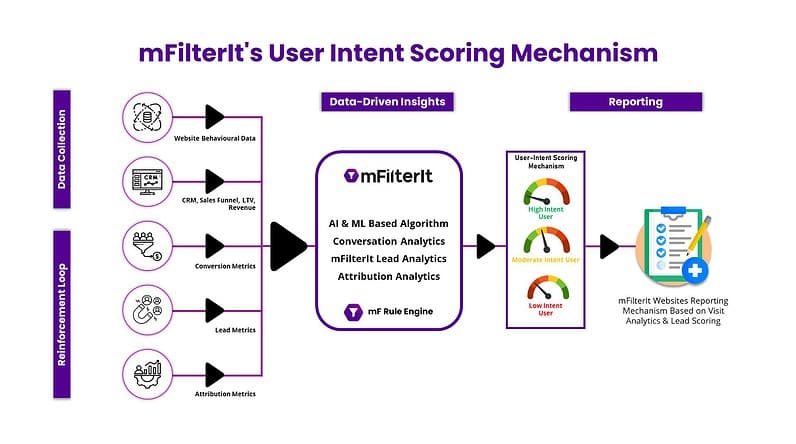
Lead scoring assigns a numerical value to each lead based on certain criteria. This process evaluates the potential of each lead, determining how likely they are to convert into paying customers. Imagine this as a grading system; higher scores indicate leads that are more likely to result in sales.
Why Lead Scoring Matters
In the hustle and bustle of sales, it’s crucial to prioritize your efforts. You want to focus on leads that promise the highest returns. Lead scoring helps by indicating which prospects require immediate attention, and which ones can be nurtured over time.
- Efficient Resource Allocation: By concentrating on leads that show greater potential, you save time and resources.
- Personalized Marketing: A high score often reflects specific interests and behaviors, guiding your marketing strategy.
- Increased Conversion Rates: When you engage with leads who have shown genuine interest, your likelihood of conversion skyrockets.
The Components of Lead Scoring
To make lead scoring work for you, it helps to understand the components involved in the scoring system. Generally, lead scoring is built upon two fundamental categories: demographic data and behavioral data.
Demographic Data
Demographic data refers to the characteristics of your leads—essentially, who they are.
- Location: Where your lead is situated can significantly influence their likelihood to buy.
- Job Title: Understanding their role within their company helps tailor communication.
- Company Size: A small business may have different needs than a large corporation.
These criteria can be combined into a scoring matrix to quantify how well-fit a lead is.
Behavioral Data
Unlike demographic data, behavioral data highlights what leads do.
- Website Interactions: Tracking the pages they visit can reveal their interests.
- Email Engagement: Opens and click-through rates provide insight into their receptiveness.
- Social Media Activity: Engagement with your brand online can indicate a lead’s level of interest.
By combining these data types, you create a well-rounded picture of each lead’s potential.
Implementing a Lead Scoring System
Creating a lead scoring system isn’t just about assigning numbers. It requires a systematic approach to ensure it’s effective.
Step 1: Define Your Ideal Customer Profile (ICP)
Before you can score leads, you need to identify what the perfect customer looks like. Consider the characteristics of your past successful customers.
- What are their common demographic traits?
- What challenges do they face, and how can your product solve these problems?
Step 2: Assign Scores to Criteria
Each characteristic related to your ICP should have a corresponding score. Develop a scoring guide to help your team apply these scores consistently.
Example Scoring Template
| Criteria | Score |
|---|---|
| Right industry | +10 |
| Job title matches | +7 |
| Visits website multiple times | +5 |
| Engaged with email | +4 |
| Downloads content | +3 |
| Unsubscribed | -10 |
This table clarifies what actions you’ll reward or penalize, making it simpler for your sales team to follow.
Step 3: Automate the Scoring Process
Automation is your friend when it comes to lead scoring. Many CRM platforms, like Salesforce and HubSpot, allow you to set automatic scoring based on lead interactions. This ensures that your team has up-to-date information without the tedium of manual tracking.
Step 4: Monitor and Adjust
Regularly reviewing your lead scores is crucial. As your business evolves and markets change, the importance of certain criteria may shift. Consistently refine your scoring and adapt it to reflect these changes, ensuring it remains effective.
The Benefits of Lead Scoring
Learning how to score leads offers numerous advantages that can drastically change the course of your sales strategy.
1. Enhanced Lead Qualification
Lead scoring allows you to determine which leads are genuinely worth pursuing. This leads to a more motivated sales team since they can focus on leads that promise a higher return on investment.
2. Improved Marketing Alignment
When both your marketing and sales teams understand the lead scoring system, communication improves. This alignment ensures that marketing efforts generate the right type of leads, creating a smoother transition from marketing to sales.
3. Increased Revenue
Focusing your team on higher-scoring leads can lead directly to increased sales. As you build relationships with quality prospects, the bottom line sees the benefits.
4. Shortened Sales Cycles
Lead scoring can help identify leads closer to making a purchasing decision. Focusing on these leads reduces the time spent nurturing less promising prospects, speeding up the overall sales process.

This image is property of images.unsplash.com.
Challenges of Lead Scoring
Despite its advantages, lead scoring isn’t without its challenges. Understanding these obstacles helps you navigate the process more effectively.
1. Data Quality
If your data is poor or inaccurate, it will lead to flawed scoring. Regular audits of your data are essential to maintaining an effective lead scoring system.
2. Subjectivity in Scoring
Personal biases can sneak into the scoring process. Ensuring that scores are based on objective criteria is critical.
3. Complexity of Implementation
Building an effective lead scoring system can be intricate, particularly for larger organizations. It may require input from various teams, including sales, marketing, and customer service.
Tools for Implementing Lead Scoring
To make your lead scoring system as effective as possible, consider leveraging technology. Many platforms offer integrated tools that simplify scoring and tracking.
CRM Systems
Many Customer Relationship Management (CRM) systems come with lead scoring features built in. Platforms like:
- HubSpot: Known for its comprehensive marketing automation and lead scoring tools.
- Salesforce: Offers robust lead scoring features, particularly beneficial for larger organizations.
- Marketo: A marketing automation tool designed for nurturing leads and establishing lead quality.
Analytics Tools
Understanding the data behind your scores is essential. Using analytics tools can provide insights into how your lead scoring criteria impact conversion.
- Google Analytics: Monitor website behavior to refine scoring based on visitor activities.
- Kissmetrics: Offers more detailed insights into customer behavior that can help optimize scores.

This image is property of images.unsplash.com.
Best Practices for Lead Scoring
As with anything, there are tried-and-true best practices that can guide your lead scoring process toward success.
1. Involve Multiple Departments
Engage various teams in the lead scoring process. Sales, marketing, and even technical support can offer valuable insights that shape a more effective scoring framework.
2. Be Transparent
Measure and communicate the rationale behind scoring criteria. It ensures everyone is on the same page and understands how scores are formulated.
3. Continually Educate Your Team
Keep your team updated on changes to the system and educate them on how best to interpret scores. Knowledge is power, and it empowers your sales team to act confidently.
4. Test and Tweak Your Process
Regularly run tests to see which criteria yield the best results. Don’t be afraid to tweak your scoring as new data becomes available.
Conclusion
Lead scoring has the potential to transform how your sales team interacts with leads. By understanding and implementing a structured lead scoring system, you can significantly improve your sales process, allowing for better focus and resource allocation. The journey might have its challenges, but with the right tools and practices, you can certainly make the most of your sales efforts.
If you take the time to evaluate and refine your lead scoring system, your efforts can lead to better-qualified leads, improved conversions, and ultimately, increased revenue. It’s about working smarter, not harder, to ensure that your sales strategy aligns perfectly with your business goals.