What do you think about the process of turning potential customers into actual sales? The concept of lead generation is integral to this transformation. It’s more than just a buzzword; it’s a vital part of the sales process. You might have heard people discuss lead generation, but have you ever really considered whether it is a skill or just an aspect of marketing? Let’s unpack this topic together.

This image is property of images.unsplash.com.
Understanding Lead Generation
Lead generation is the process of identifying and attracting potential customers (or leads) who may be interested in your products or services. It serves as the first step in a broader sales process. Essentially, it’s about filling your sales pipeline with people who have demonstrated some level of interest in what you have to offer.
Why Is Lead Generation Important?
Lead generation is important because it helps businesses create new opportunities for sales. In a competitive market, having a steady flow of leads can mean the difference between thriving and simply surviving.
- Increased Revenue: More leads can lead to more sales, which can help your business grow.
- Targeted Marketing: You can focus your marketing efforts on people who have already shown interest, making your strategy more efficient.
- Building Relationships: Lead generation facilitates initial contact, allowing you to start nurturing relationships with potential customers.
By understanding the mechanics of lead generation, you can better appreciate its significance in the overall sales process.
Is Lead Generation a Skill?
Now, let’s delve into the question at hand: Is lead generation a skill? The answer might surprise you. While some aspects can be learned, lead generation possesses qualities that blend art and science.
The Skills Involved in Lead Generation
Lead generation encompasses several skills and competencies. Here’s a breakdown of some of the essential skills you may need:
| Skill | Description |
|---|---|
| Communication | Effectively conveying the value of your product or service to potential leads. |
| Research | Identifying who your target audience is and where you can find them. |
| Networking | Building relationships that can lead to potential leads. |
| Analytical Skills | Evaluating data to refine your lead generation strategies continually. |
| Marketing Knowledge | Understanding marketing channels and techniques to attract leads. |
Each of these skills plays a vital role in successfully generating leads. They contribute to how effectively you can identify, engage, and convert prospects.
Can You Learn Lead Generation?
If you ever doubted your ability to engage in lead generation, rest assured—it’s something you can learn. With the right training, strategies, and tools, you can acquire the necessary techniques to generate leads effectively.
- Courses and Workshops: Consider enrolling in classes that focus on digital marketing or sales tactics.
- Online Resources: Countless blog posts, podcasts, and videos can guide you through the nuances of lead generation.
- Practice: Like any other skill, practice is crucial. The more you apply what you learn, the more proficient you’ll become.
Investing time and effort into honing your lead generation skills can have lasting implications for your professional growth.
Types of Lead Generation
Understanding the different types of lead generation can help you shape your approach. Each method has its advantages and suits various business models.
Inbound Lead Generation
Inbound lead generation focuses on attracting potential customers through valuable content and experiences. The primary aim is to draw leads to you rather than going out and finding them.
- Content Marketing: Creating informative and engaging content that addresses potential customers’ pain points.
- Search Engine Optimization (SEO): Ensuring your website ranks highly in search engines to attract organic traffic.
- Social Media Marketing: Using platforms like Facebook, Instagram, or LinkedIn to engage with your audience.
This approach fosters an environment where leads come to you, attracted by the value you provide.
Outbound Lead Generation
Outbound lead generation is often viewed as the more traditional method. It involves actively reaching out to potential customers. The advantage here is that you can target your outreach.
- Cold Calling: Contacting potential customers directly to pitch your offerings.
- Email Outreach: Sending targeted emails to introduce yourself and your business.
- Networking Events: Attending industry events to connect with prospective leads face-to-face.
While harder to execute effectively, these methods can yield significant results when done well.
Steps to Successful Lead Generation
Whether you’re focusing on inbound or outbound methods, some foundational steps can help you generate leads effectively.
Step 1: Identify Your Target Audience
Understanding who your ideal customers are is paramount. This knowledge enables you to tailor your messaging and outreach to resonate with their specific needs.
- Create Buyer Personas: These semi-fictional characters represent your target audience and guide your marketing decisions.
- Analyze Market Trends: Stay informed about the trends in your industry to better predict what will attract your audience.
Step 2: Choose Your Channels
Deciding where to allocate your resources is the next important step. The channels you select should align with your audience’s preferences and behaviors.
- Social Media: Great for building a community and engaging with potential leads directly.
- Email Marketing: Can be an effective tool for nurturing relationships and providing further information.
- SEO and Content Marketing: Raising awareness and establishing authority in your niche.
Step 3: Craft Your Message
Your messaging needs to be clear and compelling. Make sure to articulate how your product or service can solve the problems your audience faces.
- Engaging Copy: Your tone should reflect your brand while being friendly and approachable.
- Call to Action (CTA): Use CTAs effectively to encourage leads to take the next step, whether that’s signing up for a newsletter or requesting a demo.
Step 4: Measure and Optimize
Finally, it’s essential to continually analyze your lead generation efforts. This step is critical because it allows you to understand what’s working and what needs improvement.
- Track KPIs: Key Performance Indicators like conversion rates and engagement metrics are essential.
- A/B Testing: Experiment with different messages and channels to see which yields the best results.
By measuring your success and optimizing accordingly, you’ll be well on your way to creating an effective lead generation strategy.

This image is property of images.unsplash.com.
Common Challenges in Lead Generation
As with any skill, you may encounter challenges along the way. Recognizing these obstacles can help you prepare to tackle them efficiently.
Generating Quality Leads
One of the most significant challenges in lead generation is ensuring that you attract high-quality leads. Not all leads are equal; some may be genuinely interested in your offerings, while others are simply kicking the tires.
Solution: Focus on better targeting and segmentation to attract leads that are aligned with your ideal customer profile.
Maintaining Engagement
Once you have leads, keeping them engaged can be a hurdle. People have limited attention spans, and it’s essential to stand out.
Solution: Provide value through rich content, personal messaging, and regular follow-ups that reflect your investment in their needs.
Converting Leads into Customers
Lead generation is only half the battle; turning those leads into paying customers is another challenge altogether.
Solution: Showcase testimonials, case studies, and clear benefits to build trust and urgency.
The Future of Lead Generation
As technology continues to evolve, so too will the field of lead generation. Staying informed about the latest trends and tools can keep you ahead of the game.
Embracing Automation
Automation tools can streamline your lead generation efforts, making processes more efficient.
- CRM Software: Helps you manage relationships with leads and track interactions.
- Email Automation: Allows you to send targeted messages based on user behavior.
By embracing these technologies, you can free up your time for more strategic planning.
Data-Driven Decision Making
Using data analytics will help you refine your strategies based on actual behavior rather than assumptions.
- Analytics Tools: Platforms that help you analyze website traffic and user engagement can inform your approach.
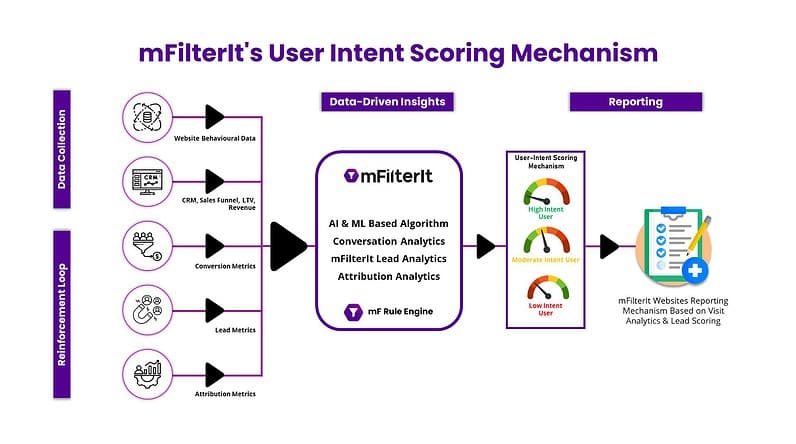
- Lead Scoring: Develop a system to score leads based on their interactions and likelihood of converting.

This image is property of images.unsplash.com.
Conclusion
In the grand scheme of your professional journey, lead generation stands as a vital skill that binds together your marketing and sales efforts. While you may face challenges, the key is to remain adaptable and continuously enhance your abilities.
By honing your understanding of lead generation, identifying your target audience, and evolving with technology, you set yourself up for success. So, as you consider your journey in mastering lead generation, keep in mind that excellence in this skill can have lasting impacts on your business trajectory.