Have you ever wondered what makes a successful sale? Perhaps it’s not just about having a great product but also about the process you follow to get there. Now, let’s delve into an essential aspect of sales that can help you navigate the sometimes tumultuous waters of selling: the sales process. Understanding this process can transform your results and put you on the path to achieving your sales goals.
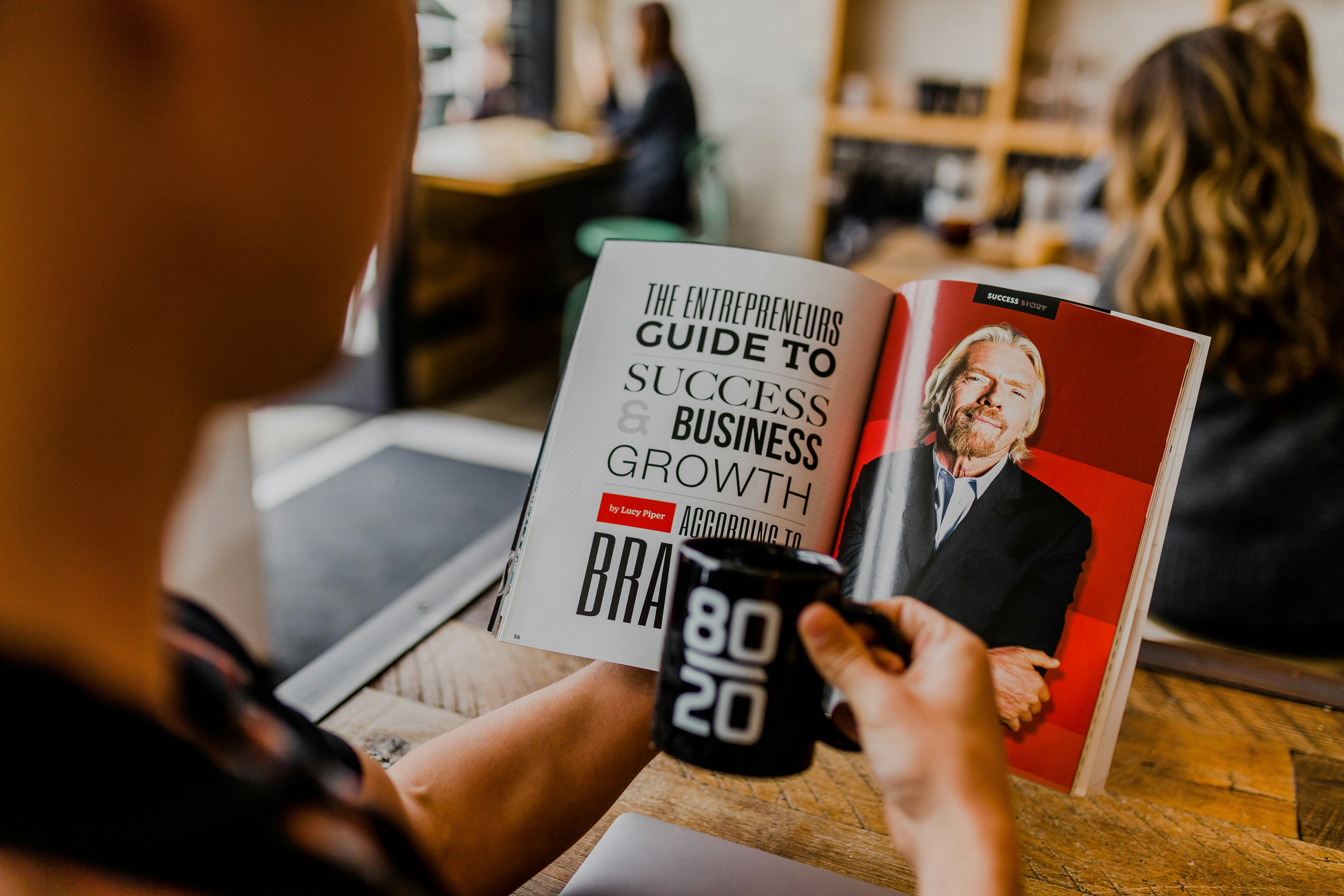
This image is property of images.unsplash.com.
What is a Sales Process?
A sales process is a structured approach that outlines the steps in a sales situation, from the initial prospecting all the way through to closing the deal. Think of it as a roadmap to guide you through the intricate journey of selling. By having a well-defined sales process, you can identify where you stand at any point in time, measure your effectiveness, and improve your overall performance.
Why is it so crucial to have a sales process in place? For starters, it can help streamline your efforts, allowing you to focus on what works, learn from what doesn’t, and ultimately, improve your sales results. Plus, it gives you a clearer picture of your customer journey, enhancing your ability to meet their needs at every step.
Why You Need a Sales Process
Isn’t it comforting to know that having a sales process does more than just keep you organized? It enhances your productivity, allowing you to utilize your time and resources more efficiently. Without a structured process, you might find yourself wasting time on prospects who are not a good fit or missing opportunities because of a lack of follow-up.
Furthermore, consistent application of a sales process helps you create a predictable sales funnel. You’ll be able to analyze your results more effectively, identifying trends and seasonality that influence your sales. Having a well-defined process enables you to train new team members effectively, creating a unified approach across your organization.

This image is property of images.unsplash.com.
The 7 Steps in the Sales Process
Now that you understand what a sales process is and why you need one, let’s break down the 7 essential steps of the sales process. Each step plays a crucial role in guiding you from first contact to closing the deal.
Step 1: Prospecting
Prospecting is the stage where you identify potential customers who might benefit from your product or service. This involves research and outreach to locate leads.
How to Effectively Prospect
-
Target Your Audience: Understand who your ideal customer is and what their pain points are. The more specific you are, the easier it will be to find potential leads.
-
Use Multiple Channels: Leverage different mediums such as social media, email, and networking events to find and connect with prospects.
-
Research: Before reaching out, gather as much information as you can about your prospects. This will allow you to tailor your communication effectively.
Why It Matters
Successful prospecting minimizes wasted effort on unqualified leads and maximizes your chances of finding prospects who are genuinely interested in what you offer.
Step 2: Preparation
Once you have identified your prospects, preparation becomes pivotal. Imagine walking into a meeting without knowing anything about your potential client’s needs—how would that make you feel?
Key Preparation Steps
-
Learn About Your Prospect: Understand their business, challenges, and objectives. This level of knowledge can help you frame your offering in a way that resonates with their needs.
-
Develop a Strategy: Based on your research, outline how your product or service can address their specific problems.
-
Prepare Your Materials: Gather information, brochures, or presentations that will help you clearly communicate your value proposition.
Why It Matters
Preparation lays the foundation for a productive engagement. It helps build credibility and trust with your prospects, making them more likely to engage positively with you.
Step 3: Approach
Now that you’ve done your homework, it’s time to reach out to your prospects. This initial encounter is crucial as it sets the tone for your relationship.
Effective Approaching Techniques
-
Personalize Your Communication: Use the insights you’ve gathered to make your outreach feel personal. Mentioning specific details about their business can show you’ve done your homework.
-
Keep It Professional but Friendly: This is a fine balance to strike. You want to come across as knowledgeable yet approachable.
-
Be Clear About Your Intentions: Make it clear why you’re reaching out and what you hope to achieve from the conversation.
Why It Matters
The right approach can open doors to further discussions and lay the groundwork for a meaningful relationship. After all, people prefer interacting with those who seem genuine and understand their situation.
Step 4: Presentation
Now comes the moment of truth: the presentation. This is where you showcase your product or service, demonstrating how it can solve the prospect’s problems.
Keys to a Successful Presentation
-
Focus on Benefits: While features are important, it’s the benefits that will resonate with your audience. Help them visualize how your offering will make their lives easier.
-
Engage Your Audience: Ask questions during your presentation. This keeps the prospect actively involved, and it gives you insight into their thoughts and concerns.
-
Utilize Visual Aids: If applicable, incorporating visual aids, such as slideshows or demos, can make your presentation more engaging and easier to understand.
Why It Matters
A compelling presentation can significantly impact your chance of success. It’s your opportunity to convince the prospect that your solution is worth their time and investment.
Step 5: Handling Objections
No one likes to hear “no,” but objections are a normal part of the sales process. Rather than viewing objections as setbacks, consider them as opportunities to provide clarity and address concerns.
Tips for Handling Objections
-
Listen Actively: Ensure you understand the objection correctly. Sometimes, what sounds like a rebuttal is just a request for more information.
-
Stay Calm and Professional: Your reaction to objections can either weaken or strengthen your rapport with the prospect.
-
Offer Solutions: Address the objection directly and provide alternative viewpoints or solutions that can alleviate their concerns.
Why It Matters
Handling objections gracefully can help strengthen your relationship with the prospect. Demonstrating that you understand their concerns and can address them can lead to a more positive outcome.
Step 6: Closing the Sale
If you’ve successfully navigated the previous steps, you’re now in a position to close the sale. This can be a nerve-wracking moment, but it’s essential to ask for the business confidently.
Closing Techniques to Consider
-
Assumptive Close: Act as if the prospect has already made the decision to purchase and move forward with the next steps.
-
Direct Close: Simply ask if the prospect is ready to proceed.
-
Offer Incentives: If appropriate, present special promotions or limited-time offers to encourage them to make a decision sooner.
Why It Matters
The close is where all your hard work pays off. A confident and skilled closing can make the difference between a lost opportunity and a successful sale.
Step 7: Follow-Up
Even after closing, the sales process doesn’t end. Following up is crucial for maintaining strong relationships, ensuring customer satisfaction, and opening doors for future business.
Effective Follow-Up Strategies
-
Reach Out Regularly: Contact your client after the sale to ensure they’re satisfied with their purchase. This can be through a quick email, phone call, or even a handwritten note.
-
Ask for Feedback: Prompting them for feedback creates engagement and shows that you value their opinion.
-
Nurture the Relationship: Keep the connection alive by sharing relevant information, product updates, or even industry news that might interest them.
Why It Matters
A strong follow-up can lead to repeat business, referrals, and positive word-of-mouth. It positions you as not just a salesperson but also a trusted partner in their journey.

This image is property of images.unsplash.com.
Conclusion
Selling can be a complex process, but having a clear pathway through it can make a world of difference. The 7 steps outlined here—prospecting, preparation, approach, presentation, handling objections, closing, and follow-up—act as a guide to navigate the intricacies of sales.
By mastering each of these steps, you empower yourself not only to achieve your sales goals but also to build lasting relationships with your customers. Implementing these steps into your routine can elevate your sales performance and lead to greater satisfaction—not just for your clients but for you as well.
So, next time you gear up for a sales interaction, remember these steps. They might just transform your approach and contribute to your success story! Happy selling!